
Nouvell Décour – Interiors, Living, Inspiration
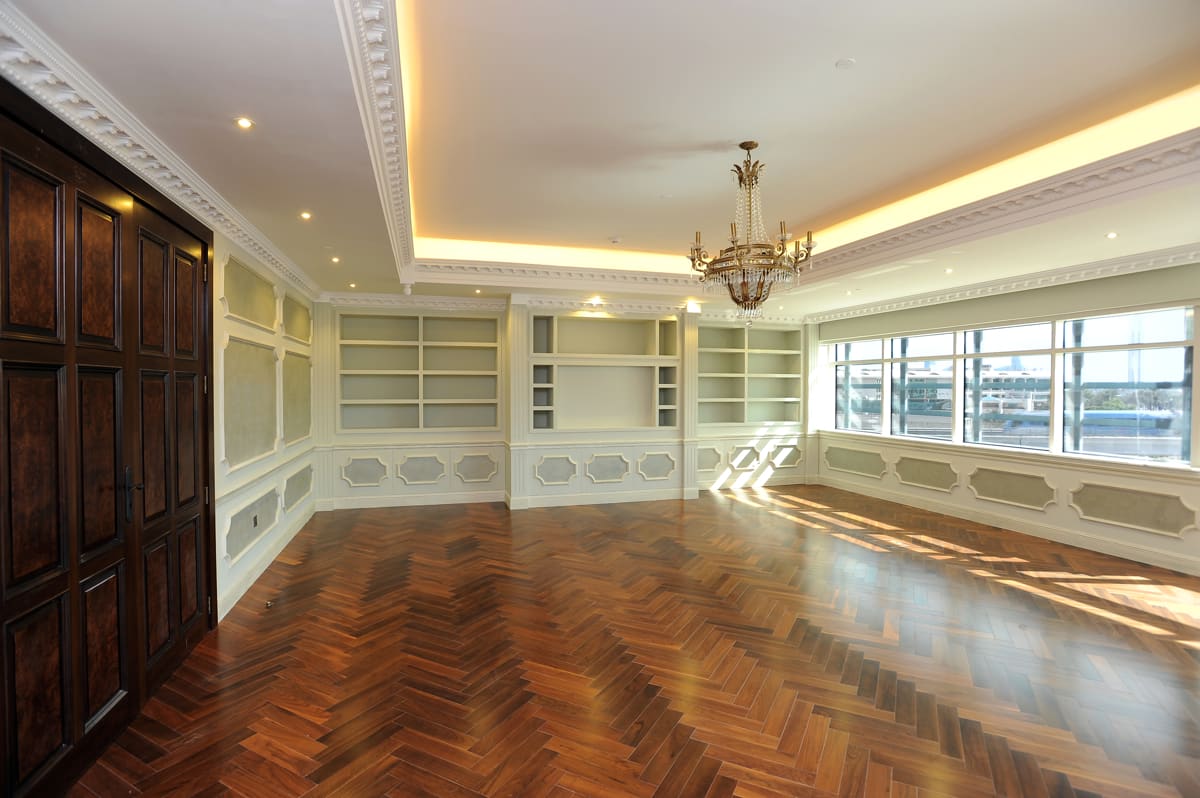
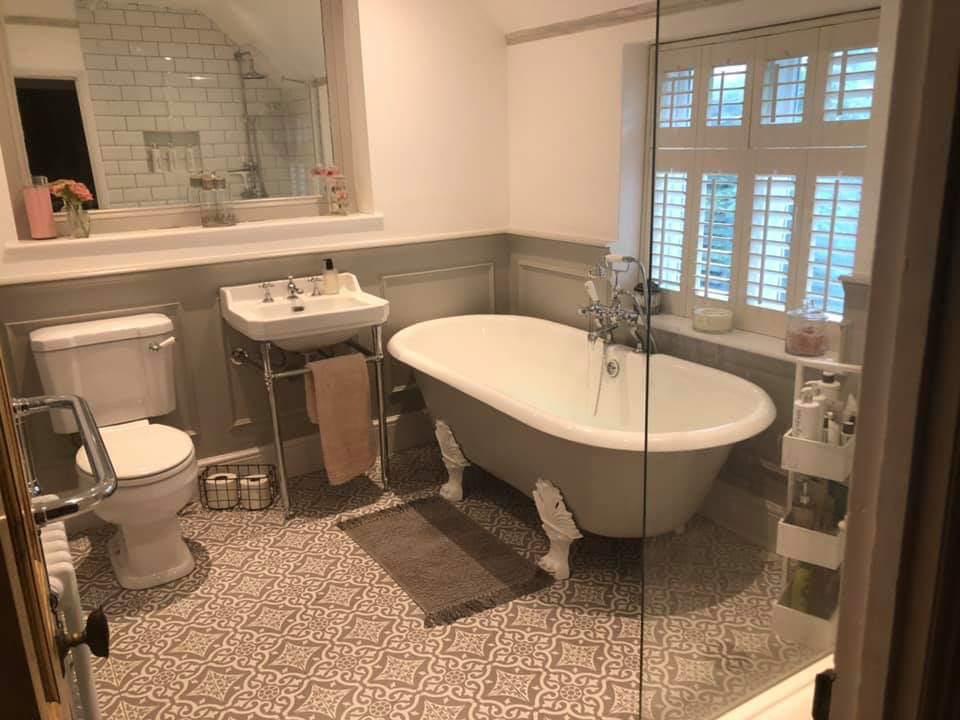
Whether you’re reviving a Georgian townhouse in Lansdown or breathing new life into a modest Victorian terrace in Oldfield Park, renovating a home in Bath is as exciting as it is daunting. This historic city, with its elegant architecture and listed properties, often comes with unique challenges—and costs.
A well-planned budget is the cornerstone of any successful renovation. Here’s how to build one that keeps your vision intact and your wallet in check.
1. Start with a Clear Vision—and a Realistic One
Before contacting builders or browsing stone tiles, map out exactly what you want to achieve. Are you redoing a single room or tackling a full-house overhaul? Cosmetic updates or structural changes?
Tip: In Bath, listed properties are common, and planning permissions may limit certain alterations. Research local regulations or speak with a conservation officer early on. Unexpected heritage-related costs can derail an otherwise tight budget.
2. Get Multiple Quotes—and Then Some
Once your plans are sketched out (even roughly), obtain at least three quotes from reputable contractors. Costs in Bath can vary significantly depending on the season, availability, and the demand for skilled tradespeople.
Consider:
- Labour costs: Often higher in heritage towns.
- Materials: Imported stone or period fittings can add a premium.
- Specialist work: Electrical rewiring in older homes or restoring original features may require niche experts.
3. Build in a 15–20% Contingency
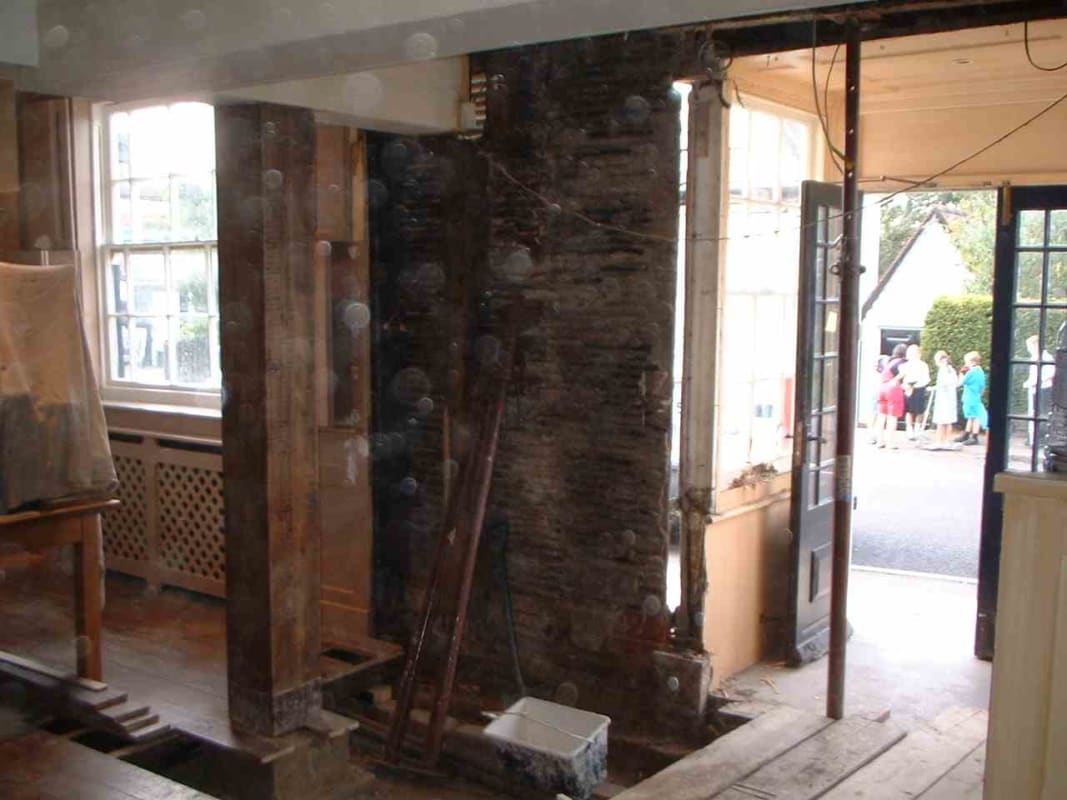
Renovations, especially in older homes, rarely go exactly to plan. Unexpected damp, outdated wiring, or structural surprises behind the plaster can add thousands to your costs.
Rule of thumb: Set aside 15–20% of your total budget as a contingency fund. If you don’t use it, great—you’ve got cash for furnishings or garden landscaping.
4. Prioritise Wisely
It’s tempting to splash out on bespoke cabinetry or designer fixtures, but don’t let aesthetics cannibalise your core renovation budget. Focus first on infrastructure: roof integrity, electrics, plumbing, and insulation.
Pro tip: Energy-efficient upgrades, like underfloor heating or double glazing (where permitted), may offer long-term savings—and increase your property’s value in Bath’s eco-conscious market.
5. Factor in Planning and Professional Fees
In Bath, planning permission may be required even for internal changes, particularly in listed buildings or conservation areas. Professional fees can quickly stack up.
Don’t forget to budget for:
- Architect fees (typically 5–15% of the project cost)
- Planning application fees
- Structural engineer reports
- Listed building consent applications
6. Think Beyond the Build
When calculating your budget, also include:
- Temporary accommodation if your home is uninhabitable during works
- Storage for furniture or valuables
- Skip hire and waste disposal (essential in city centre zones)
- Permit parking for tradespeople, which can be tricky in Bath’s tighter streets
7. Track Every Pound
Use a spreadsheet, budgeting app, or renovation software to track spending in real-time. It’s easy to lose track of costs with impulse purchases or small daily changes.
Top tools:
- Houzz Pro
- Build It Live Budgeting Tool
- Google Sheets (free and flexible)
Final Thoughts
A home renovation in Bath offers more than just aesthetic rewards—it’s a chance to blend modern living with timeless elegance. But success hinges on a grounded, comprehensive budget. Take the time to plan, anticipate surprises, and invest wisely. Your dream home is worth it.
Nouvell Décour is your trusted source for inspired living, from timeless design tips to the realities of restoration. Follow us for more home advice and real-life renovation stories from around the UK.